
San Mateo County · Areas we serve
Property Management in Belmont
Belmont climbs from El Camino Real into wooded hills, and that grade is the defining practical fact for anyone maintaining property here.
The housing stock in Belmont
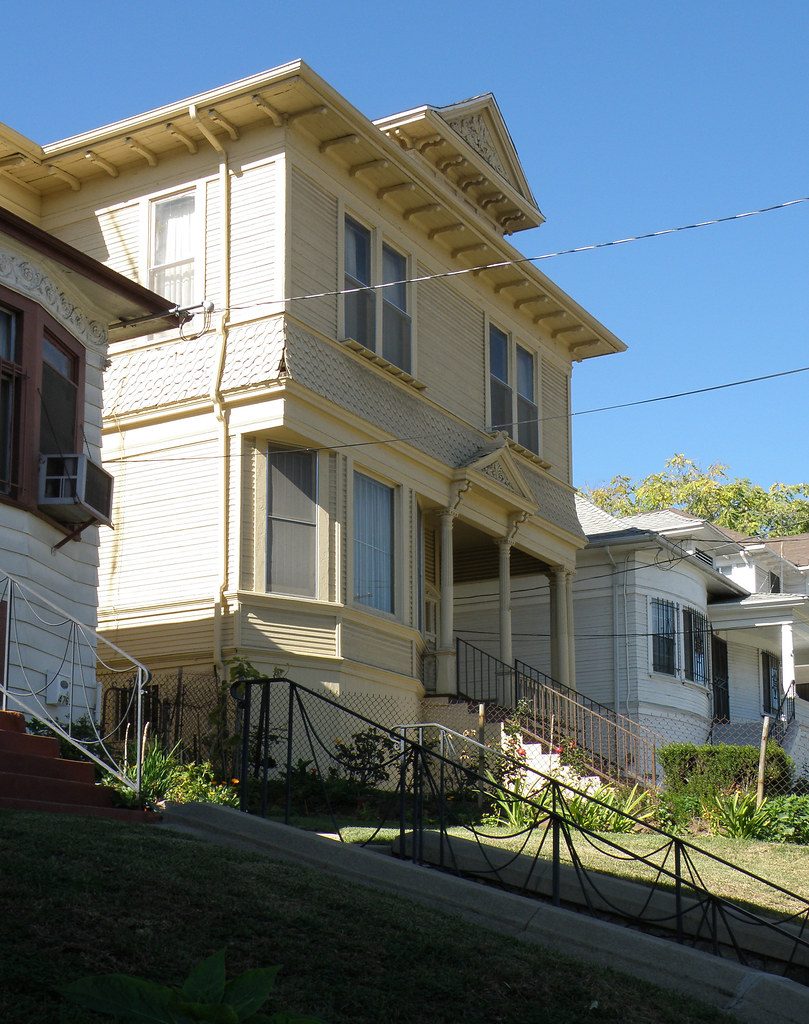
Most of Belmont is single-family, much of it built into hillsides from the 1950s onward — split-levels, homes on downslope lots, long driveways and decks cantilevered over grade. The upper neighborhoods are heavily wooded.
Small apartment buildings and duplexes cluster in the flatter areas near El Camino Real and around the Caltrain station, generally from the 1960s and 1970s.
Proximity to Notre Dame de Namur University creates a modest but real academic-year rental segment near campus.
Neighborhoods and districts
Most relevant property types
- Single-Family Homes — One property, higher rent, and far more to lose in one turnover.
- Small Residential Buildings — Two to four units — the most under-managed properties we see.
- Apartment Buildings — Five units and up, including older buildings with shared systems.
Regulatory context
What governs rental property in Belmont
Belmont has no local rent stabilization ordinance. California's Tenant Protection Act generally governs covered rental property, with standard exemptions.
Hillside development, tree removal and drainage are the locally significant regulatory areas. Many Belmont properties sit in areas where vegetation management for wildfire risk is a genuine ongoing obligation.
This information is general and for educational purposes only. It is not legal, tax, insurance, or financial advice. Rental regulations change frequently and vary by property. Consult a qualified attorney about your specific situation. Content last reviewed September 2026.
Compliance support
We identify which rules reach your specific property, administer the notices and deadlines that follow, and coordinate with your attorney when a matter needs legal judgment.
How compliance support worksOwner concerns
What Belmont owners deal with
Hillside drainage
Downslope lots, retaining walls and storm drainage — the most common source of expensive Belmont repairs.
Deck and stair structures
Elevated decks and long entry stairs require regular structural inspection; failures here are liability events.
Tree and vegetation management
Wooded lots mean ongoing removal, pruning and defensible-space work, often permit-controlled.
Access for vendors
Steep driveways and stair-only access affect what contractors charge and who will take the job.
Academic-year cycles
Near-campus properties leasing on an academic calendar rather than a standard one.
Market context
Renting in Belmont
Belmont attracts families wanting the schools and a quieter, greener setting with mid-Peninsula access, plus commuters using the Caltrain station.
View, sun exposure and how many stairs stand between the car and the front door are all real rent variables in the hills — the last one more than owners expect.
Free Rental Analysis
What should your Belmont property rent for?
We price from comparable leases in the actual Belmont submarket, not a citywide or regional average — and we show you the comparables and the reasoning.
Questions
Belmont owner FAQs
How often should hillside decks be inspected?
Annually at minimum for visual condition, with structural evaluation by a qualified professional at longer intervals or whenever there is any sign of movement, rot or fastener failure. Elevated structures are one of the few maintenance items where deferral creates genuine injury risk.
Do stairs affect what a property rents for?
Yes, measurably. A house with thirty entry steps reaches a smaller renter pool than an equivalent house without them, and it shows up in both time to lease and achievable rent. It is worth pricing honestly rather than hoping.
Who handles vegetation clearance?
Ordinarily the owner, through a scheduled vendor program, since defensible-space and tree work is not reasonable to place on a resident. It is a recurring budgeted expense on wooded Belmont lots, not an occasional one.
Nearby areas we serve
Schedule a Consultation
Managing property in Belmont?
A short conversation is usually enough to tell whether we’re the right fit. We’ll ask about the property, what’s working and what isn’t, and tell you honestly what we would do differently.