
Property types
Residential property of every size
From a duplex in San Bruno to a larger apartment building in San Francisco. Residential only — we do not manage commercial property.

Apartment Buildings
Five units and up, including older buildings with shared systems.

Multifamily Properties
Income-focused management for investor-owned multifamily.

Single-Family Homes
One property, higher rent, and far more to lose in one turnover.
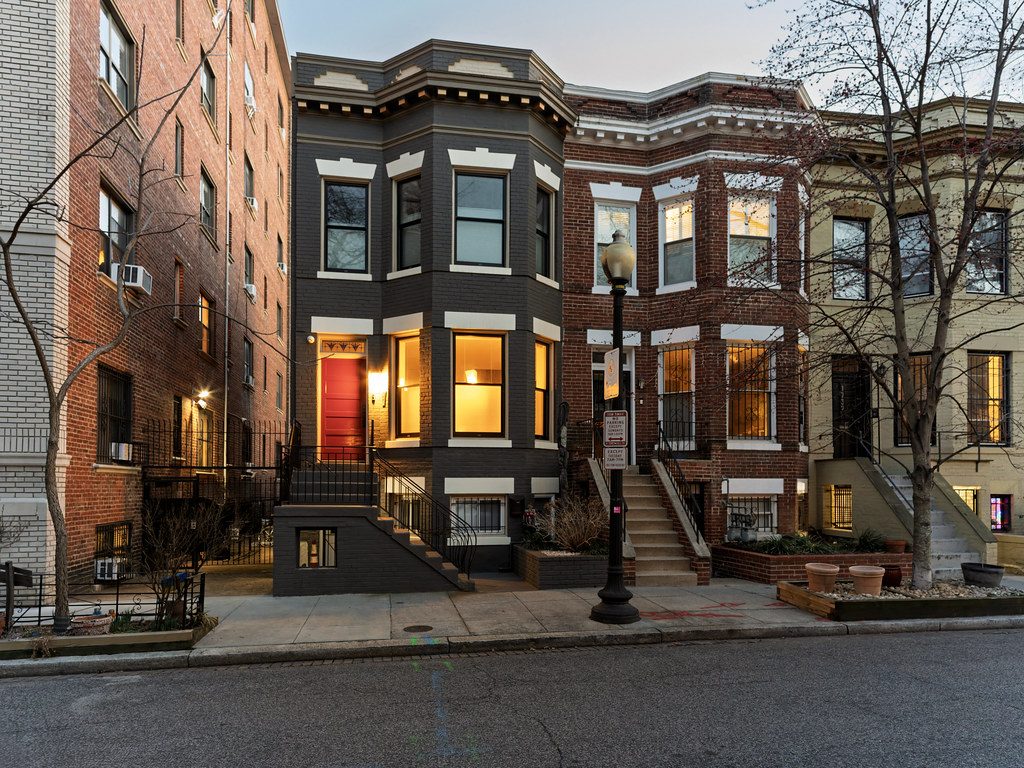
Condos & Townhomes
Your unit managed, and the HOA layer handled alongside it.
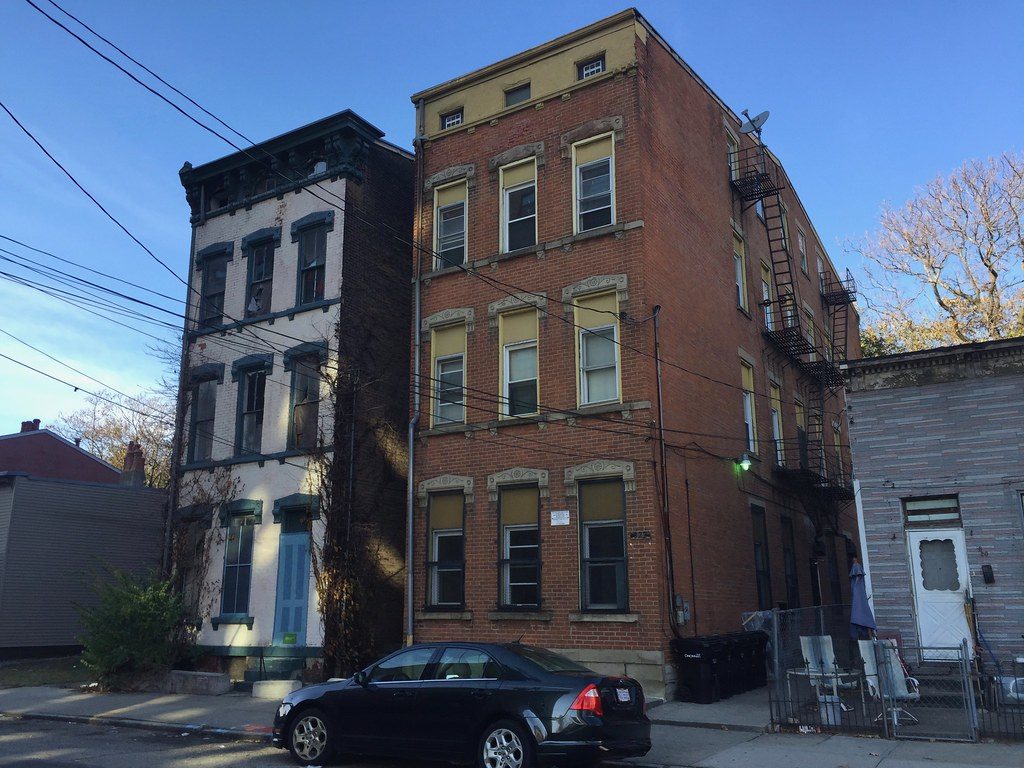
Small Residential Buildings
Two to four units — the most under-managed properties we see.
Apartment Buildings
An apartment building is not a collection of units. It is one boiler, one roof, one electrical service and one set of regulatory obligations, shared by everyone inside it.
Apartment Buildings management- Aging building systems. Plumbing, electrical, roof and heating tracked by age and condition so replacement is planned, not triggered by a failure.
- Rent regulation exposure. Increase limits, notice requirements and registration deadlines administered on schedule.
- Common area liability. Stairs, railings, lighting and walkways inspected regularly — a large share of owner claims start here.
- Turnover cost control. Realistic scope on unit turns. Not every vacancy justifies a full renovation.
Multifamily Properties
If you own multifamily as an investment, management is not a service you buy — it is the operating layer that determines what the asset is worth.
Multifamily Properties management- NOI visibility. Reporting structured so you can see what is actually driving return, by property and by unit.
- Regulatory limits on rent. Increases calculated against the rules that apply to each specific property, then noticed correctly.
- Turnover velocity. Days vacant tracked and managed — the metric that quietly costs the most.
- Capital planning. System age and condition tracked so major expenditure is forecast rather than discovered.
Single-Family Homes
With one house, there is no portfolio to average against. One extended vacancy or one difficult tenancy is the entire year.
Single-Family Homes management- One tenancy, all the risk. Screening depth matched to the fact that there is no second unit to absorb a mistake.
- Long, costly turnovers. Retention prioritized; turns scoped and scheduled to limit vacant days.
- Grounds and drainage. Landscaping, gutters and drainage handled seasonally, before the first real storm.
- Owner attachment. Straight conversations about wear, pets and furnishings — and what each choice costs in rent or vacancy.
Condos & Townhomes
Renting out a condominium means managing two relationships: one with your resident, and one with an association whose rules you did not write.
Condos & Townhomes management- Rental caps and restrictions. Governing documents reviewed before listing so a lease is not signed against the rules.
- HOA vs. owner maintenance. Responsibility identified and pursued with the association where the association owns it.
- Assessments and special assessments. Tracked and reported alongside your operating expenses.
- Resident compliance with HOA rules. Rules given to residents at move-in, violations addressed before they escalate to fines.
Small Residential Buildings
Small buildings are the most commonly self-managed properties on the Peninsula, and the ones where informal arrangements cause the most trouble.
Small Residential Buildings management- Informal arrangements. Verbal agreements and inherited handshake terms documented properly, without blowing up a working tenancy.
- Mixed regulatory positions. Each unit's position confirmed — they are not always the same within one building.
- Shared systems. One roof, one boiler, one sewer lateral: tracked and planned for as building expenses.
- Owner-occupancy questions. Where owner occupancy affects exemptions or obligations, identified before it matters.
Free Rental Analysis
Find out what your property should rent for
A rental analysis gives you a supported rent range for your specific property, the comparable leases behind it, and a straight assessment of what would move that number. No obligation, and no pressure to sign anything.
Schedule a Consultation
Let’s talk about your property
A short conversation is usually enough to tell whether we’re the right fit. We’ll ask about the property, what’s working and what isn’t, and tell you honestly what we would do differently.