
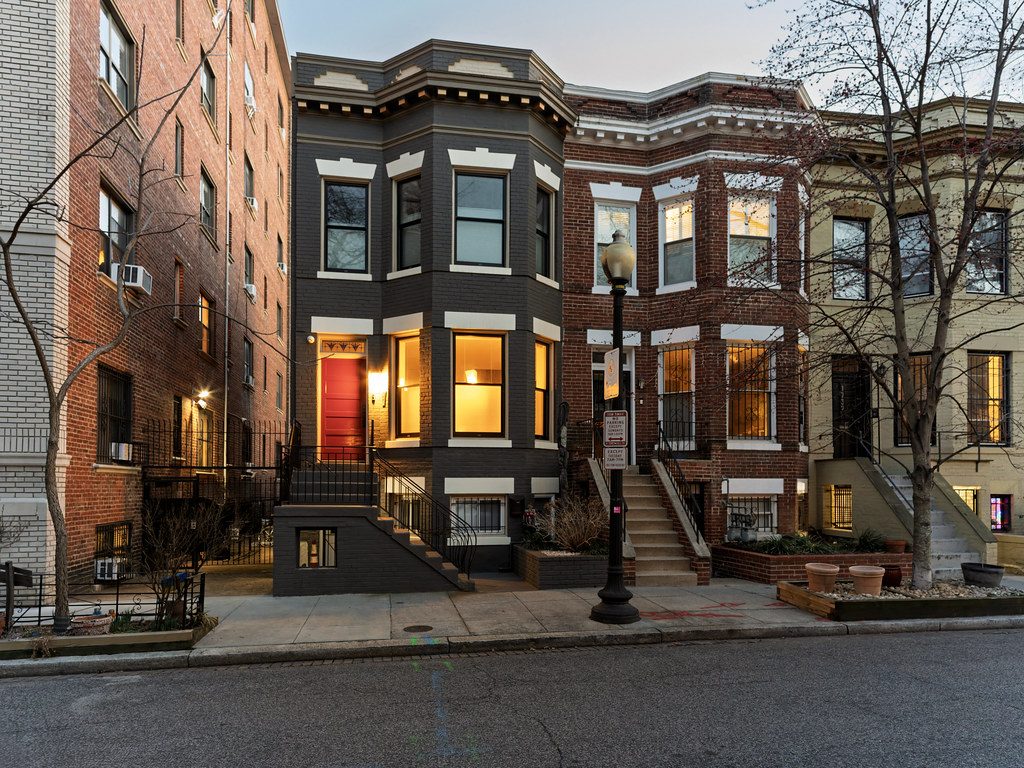
Property types
Condominium and Townhome Management
Renting out a condominium means managing two relationships: one with your resident, and one with an association whose rules you did not write.
The HOA is a third party to every decision
Associations commonly restrict rentals — minimum lease terms, caps on the number of rented units, move-in scheduling, parking and storage allocation, pet rules, even what may appear on a balcony. Some maintain a rental waiting list.
We read the governing documents before listing, so the lease we write is one your association permits and your resident is briefed on the rules that apply to them.
Where the maintenance line falls
The split between association responsibility and owner responsibility is where condo owners lose money. A leak from a common-area stack is not your repair, but it is your resident's problem — and if nobody pursues the association, you end up paying. We identify who owns the failure and push it to the right party.
Regulatory position
Condominiums often sit differently under rent regulation than apartment buildings, depending on construction date, location and how state and local rules interact. That position is confirmed at onboarding rather than assumed.
What owners here worry about
The issues specific to this property type
Rental caps and restrictions
Governing documents reviewed before listing so a lease is not signed against the rules.
HOA vs. owner maintenance
Responsibility identified and pursued with the association where the association owns it.
Assessments and special assessments
Tracked and reported alongside your operating expenses.
Resident compliance with HOA rules
Rules given to residents at move-in, violations addressed before they escalate to fines.
Move-in logistics
Elevator reservations, move-in windows and deposits coordinated with building management.
Services
How we manage condos & townhomes
Leasing, rent, maintenance, reporting and compliance under one roof.
Leasing & Tenant PlacementFill the vacancy quickly with a resident who holds up over years.
Rental Property MarketingPhotography, listings and syndication that reach qualified renters.
Tenant ScreeningConsistent, documented, legally compliant applicant review.
Rent Collection & AccountingRent in on time, and statements your accountant can use as-is.
Maintenance CoordinationRequests triaged fast, licensed vendors, spending you control.
Questions
About condos & townhomes
Do you deal with the HOA directly?
For matters affecting the tenancy — move-in coordination, rule violations, maintenance in shared systems — yes. Association governance, assessments and voting stay with you as the owner.
What if my association restricts rentals?
We review the governing documents first. If there is a cap, a waiting list or a minimum lease term, we work within it. Discovering a restriction after a lease is signed is a genuinely bad outcome for everyone.
Who pays the HOA dues?
Ordinarily you, as the owner. Dues can be paid from rental proceeds and shown on your monthly statement if you prefer.
Free Rental Analysis
Find out what your property should rent for
A rental analysis gives you a supported rent range for your specific property, the comparable leases behind it, and a straight assessment of what would move that number. No obligation, and no pressure to sign anything.
Schedule a Consultation
Let’s talk about your property
A short conversation is usually enough to tell whether we’re the right fit. We’ll ask about the property, what’s working and what isn’t, and tell you honestly what we would do differently.